By Danny Sabour, VP of Sales and Marketing at Avalanche Technology Inc.
The aerospace and defense industry has universally accepted that the future of orbital superiority lies in proliferated, software-defined constellations. The mandate from the Space Development Agency (SDA), with support from the Defense Innovation Unit (DIU), is clear: move away from vulnerable, exquisite “battlestars” and build agile, interconnected data networks in Low Earth Orbit (LEO). But while our architectural theory has evolved, the hardware foundation we are building it on is trapped in a dangerous compromise.
What Amnesia Looks Like at Mach 20
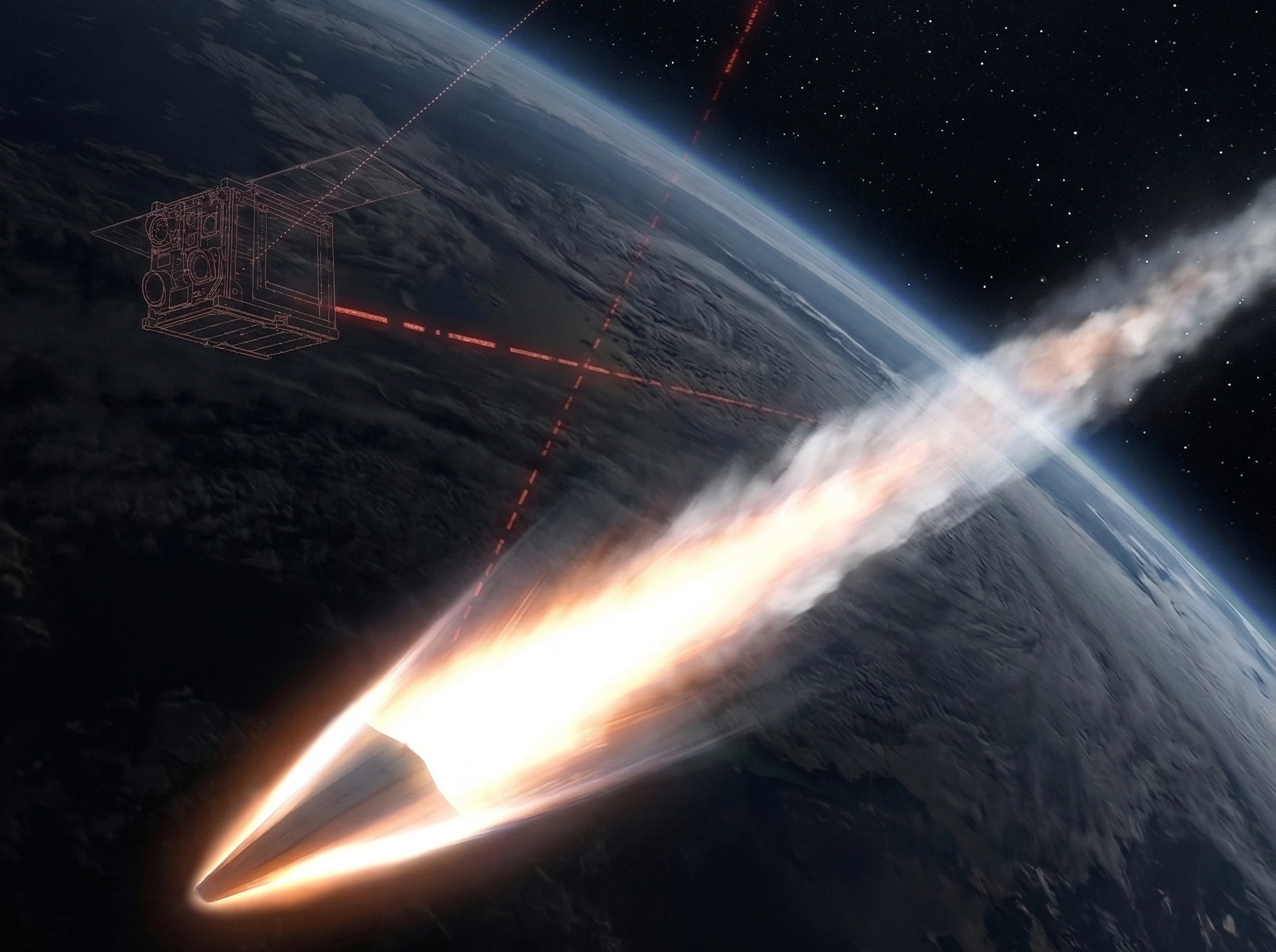
Consider a proliferated LEO constellation tasked with tracking hypersonic glide vehicles. In this architecture, raw infrared and radar data can’t be downlinked to a terrestrial station for processing. The latency alone would break the kill chain. The tracking, targeting, and handoff must be calculated autonomously, in real-time, on the satellite itself.
Now, introduce a contested environment. Whether it’s a directed energy attack, an electromagnetic pulse (EMP), or simply a severe solar weather event, power disruptions in orbit are an operational reality.
…